
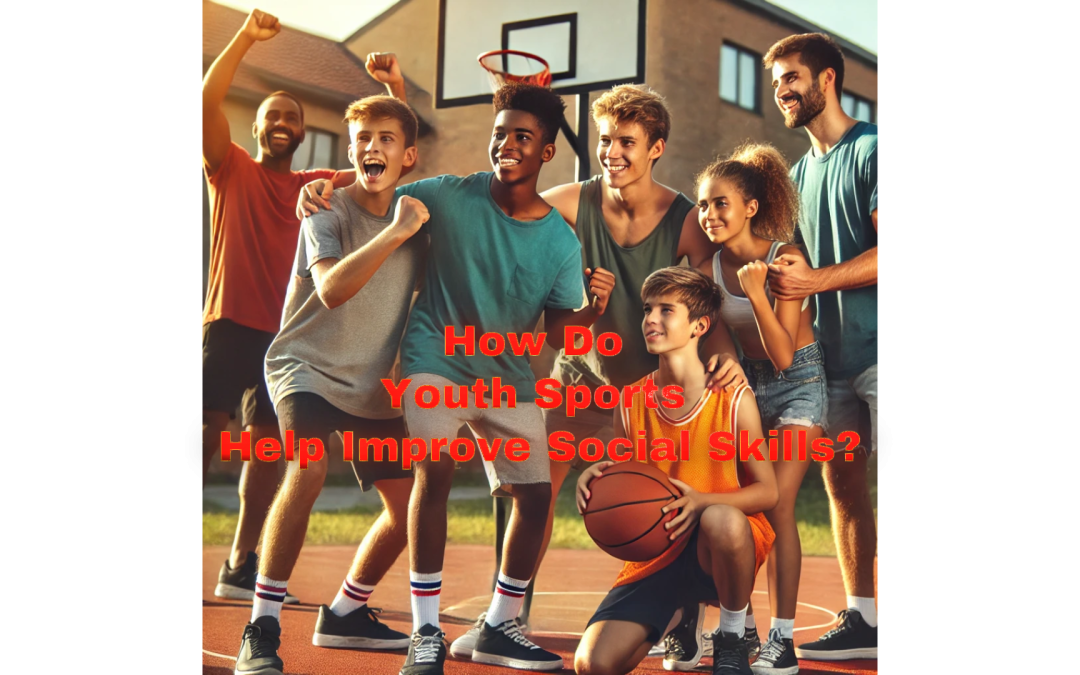
Welcome to Underdawg’s Voice, where we shine a light on the transformative power of sports and the journey of underdogs. Whether you’re a young athlete, a supportive parent, or a dedicated coach, today we’re diving into a critical question: How do youth sports help improve social skills? Spoiler alert: It’s about more than just teamwork—it’s about shaping confident, empathetic, and resilient individuals.
The Underdawg Advantage: Building Social Skills Through Sports
At Full Court Dreams: The Underdawg’s Voice, we know sports are a game-changer—not just on the scoreboard, but in life. Youth sports are one of the most effective tools for teaching critical social skills that empower kids both on and off the court. Here’s how:
1. Communication is Key
In sports, players learn to communicate effectively—whether it’s calling for the ball, strategizing during a timeout, or motivating a teammate after a tough play.
- What Kids Learn:
- Verbal skills: Clear and confident speaking.
- Non-verbal cues: Reading body language and understanding emotions.
- Conflict resolution: Addressing disagreements constructively.
- Coach Que’s Take:
“As a coach, I always encourage my players to speak up. It’s not just about the game—it’s about teaching them how to express themselves in any situation.”
Evidence:
According to an article by Positive Coaching Alliance, youth sports help kids develop better listening skills and the ability to process feedback, which are critical in school, relationships, and their future careers.
2. Teamwork Makes the Dream Work
Few activities teach teamwork as effectively as youth sports. Athletes learn how to work toward a common goal, share responsibilities, and celebrate collective wins.
- What Kids Learn:
- Collaboration: Working with others despite differences.
- Dependability: Being someone the team can count on.
- Leadership: Stepping up when the team needs direction.
- Real Talk from Underdawg Athletes:
“When I joined the team, I didn’t know anyone. By the end of the season, I felt like I gained a second family.”
Evidence:
A study published by Child Development highlights that children involved in team sports are better at problem-solving and decision-making because they consistently navigate group dynamics.
3. Building Empathy and Emotional Intelligence
In sports, kids see firsthand the ups and downs of their teammates, and they learn to celebrate victories and support one another during defeats. This fosters empathy and emotional intelligence—two key social skills.
- What Kids Learn:
- Understanding others’ emotions.
- Offering support when someone struggles.
- Celebrating the success of others without envy.
- Coach Que’s Playbook:
“I always remind my players: It’s not just about your stats. It’s about how you lift your teammates up when they’re down. That’s what makes a true champion.”
4. Handling Pressure and Building Confidence
Youth sports provide a controlled environment where kids can face challenges, make mistakes, and learn to bounce back. These moments teach resilience, which is critical for developing confidence in social settings.
- What Kids Learn:
- Self-regulation: Managing emotions under pressure.
- Confidence: Learning to trust their abilities.
- Perspective: Understanding that failure is part of growth.
Evidence:
The Aspen Institute Project Play highlights that kids who participate in sports are better at handling stress and managing expectations, skills that directly impact their social interactions.
Read more from Aspen Project Play
5. Respect and Inclusivity
Youth sports often bring together kids from diverse backgrounds, teaching them to respect differences and value inclusivity.
- What Kids Learn:
- Diversity: Appreciating different perspectives.
- Respect: Treating everyone fairly, regardless of skill level or background.
- Sportsmanship: Learning to win with humility and lose with grace.
- Real-Life Example:
“One of my favorite moments as a coach was watching my team support a teammate who struggled in practice. Instead of frustration, they cheered them on until they got it. That’s the power of sports.”
How Parents and Coaches Can Help
Parents and coaches play a crucial role in maximizing the social benefits of youth sports:
- For Parents:
- Encourage your child to communicate with their teammates and coaches.
- Model good sportsmanship by showing respect for other players and officials.
- For Coaches:
- Create a positive team culture where every player feels valued.
- Focus on teaching life skills, not just game strategies.
👉 Looking for more actionable tips? Check out my blog on Cultivating Team Spirit and Sportsmanship in Youth Sports: A Parent’s Guide!
Failure Leads to Growth: A Reminder from Coach Que
Remember, the social skills kids develop in sports come with challenges. They’ll face tough moments—arguments with teammates, losses, and even failure. But as I always say, “Failure isn’t the end—it’s your greatest teacher.”
🎯 If you’re ready to embrace the lessons of youth sports and help your child grow, start small:
- Sign them up for a local team.
- Encourage them to try new sports.
- Remind them to value the journey, not just the results.
Closing Thought: Let’s Celebrate the Underdawgs
Youth sports aren’t just about the game—it’s about shaping who these kids become. At Full Court Dreams: The Underdawg’s Voice, we believe every child deserves the chance to grow through sports, building skills that last a lifetime.
💬 Join the Conversation:
What’s the most important social skill your child has learned through sports? Drop a comment below or join the discussion in my Facebook Group!
🚀 Explore More:
👉 Check out more inspiring stories, tips, and resources on my Linktree.
👉 Shop motivational merchandise to support the Underdawgs movement: Underdawg’s Voice Store.
Let’s keep building champions on and off the court! 🏀🐾